If you want city living with real neighborhood energy, Union City may surprise you. Tucked into Hudson County just across the river from Manhattan, it offers a dense, walkable lifestyle shaped by small-scale housing, strong transit access, and a deeply rooted multicultural identity. If you are wondering what day-to-day life actually feels like here, this guide will walk you through the housing, commute, local character, parks, and street life that define Union City. Let’s dive in.
Union City lifestyle at a glance
Union City is compact, busy, and highly connected. The city covers just 1.29 square miles and had an estimated population of 66,918 in 2024, which means daily life feels active and close-knit rather than spread out.
You are likely to notice that the city feels woven together block by block. Its official history points to long immigrant roots and a cultural identity shaped by Cuban, Latin American, Caribbean, and other communities, giving the area a strong sense of continuity and local pride.
It is also a multilingual place in a very practical, everyday way. Census estimates cited by the city show that 54.3% of residents are foreign-born, and 81.8% of residents age 5 and older speak a language other than English at home.
What the neighborhood feel is like
Union City feels urban in the truest sense. It is not a place of large lots and wide setbacks. Instead, you get a tightly knit streetscape, mixed-use corridors, and homes that sit close to shops, services, and bus routes.
The city sits atop the ridge of the lower Palisades, which gives it a more vertical street pattern than some nearby communities. That hilltop setting also brings skyline views in certain spots, adding another layer to its character.
A lot of people are drawn to Union City because it feels lived-in and local. Rather than reading as polished or master-planned, it comes across as a neighborhood-centered place where commercial life and residential life overlap in a very immediate way.
Housing in Union City
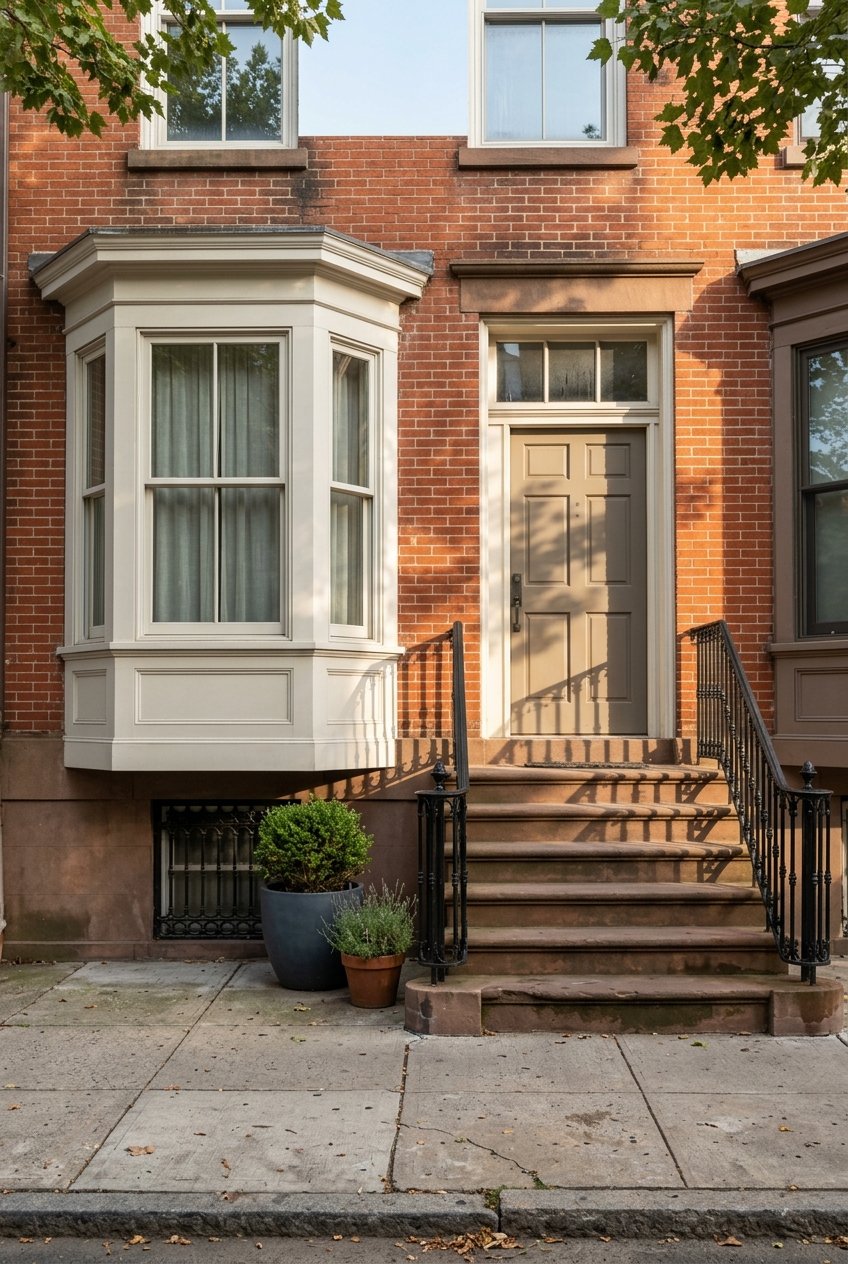
If you are considering a move here, the housing stock is an important part of the story. According to the city’s master plan, most of Union City’s existing homes are one-, two-, and three-family structures, with some high-rise residential buildings that are grandfathered in.
That means the built environment generally feels smaller in scale than you might expect for such a dense city. You will find many homes integrated into a compact urban fabric, especially near established commercial corridors like Bergenline Avenue and Summit Avenue.
Union City also leans heavily toward renting. The master plan reports that owner-occupied housing is 19.1%, which tells you that the market is renter-heavy compared with many suburban towns.
From a pricing perspective, the same report lists a median gross rent of $1,537 and a median owner-occupied home value of $471,600. Those figures help frame what the market looks like at a broad level, though individual homes can vary significantly based on type, condition, and location within the city.
Getting around day to day
One of Union City’s biggest strengths is mobility. If you value living in a place where you can run errands on foot and rely on transit for daily commuting, Union City stands out.
Walk Score gives the city an average score of 94, which reflects how accessible many daily needs are without a car. In practical terms, that means many residents can walk to restaurants, stores, parks, and transit stops within a short distance.
Transit in Union City is especially bus-oriented. The city notes that NJ Transit and commuter vans move through the area almost around the clock, and Manhattan access is tied closely to bus service through the Lincoln Tunnel.
The city is also served by NJ Transit routes 123 and 127, both of which include Union City stops. For many residents, that kind of regular bus access is central to how they choose where to live in Hudson County.
Commute times are relatively manageable for a dense urban area. The Census Bureau reports a mean travel time to work of 33.1 minutes, which helps explain why Union City continues to appeal to people who want close regional access without giving up neighborhood texture.
Bergenline Avenue shapes daily life
If Union City has a main street identity, Bergenline Avenue is at the center of it. The city describes it as the community’s commercial spine, and that description fits.
This corridor plays a big role in how the city feels from day to day. Shops, restaurants, and services line the avenue, so everyday errands often happen within the flow of street life instead of in isolated shopping centers.
Bergenline is also a major part of Union City’s food culture. The city says the avenue reflects Central and South American and Caribbean communities, while New Jersey Monthly describes it as a roughly 90-block food corridor with Cuban, Colombian, Salvadoran, and Argentine options.
For you as a resident, that can mean a lifestyle with a lot of variety close to home. It is the kind of place where grabbing coffee, picking up groceries, and meeting friends for a casual meal can all happen within the same neighborhood rhythm.
Parks and recreation in Union City
Even in a dense city, access to outdoor space matters. Union City offers several options that support both active recreation and casual downtime.
Washington Park is one of the area’s most notable green spaces and is shared by Union City and Jersey City. It includes ballfields, tennis courts, basketball and volleyball courts, a playground, a spray pool, and 3.8 miles of trails.
Hudson County tourism also highlights Reservoir Park as a place for jogging and walking. These parks help balance the city’s density by giving residents room to exercise, get outside, and break up the pace of urban living.
The city’s recreation department adds another layer with three Olympic-sized swimming pools, including two indoor pools, plus water parks, playgrounds, and youth and adult programming. For residents who value public recreational amenities, that is a meaningful part of the local lifestyle.
Arts, culture, and community identity
Union City has a visible cultural presence that goes beyond food and language. The city points to the 960-seat Union City Performing Arts Center, Park Theatre, the City Hall art gallery, the Union City Artist Collective, and Celia Cruz Park with its Walk of Fame.
There is also a steady thread of public programming. The city highlights summer park performances that include drama, comedy, poetry, and music, while Hudson County tourism notes Park Theatre productions and the Union City International Film Festival.
That cultural infrastructure gives the city a strong public-life feel. You are not just living near arts venues. You are living in a place where community events and creative expression are part of the local identity.
Who Union City tends to suit
Union City often works well for people who want a dense, everyday city experience. If you prefer walkability, easy transit access, and a neighborhood that feels active throughout the day, it checks a lot of boxes.
It may also appeal to buyers and renters who like older, small-scale housing stock and a street grid built around local commercial corridors. The city’s housing and retail patterns create a more intimate urban experience than you might find in places dominated by large towers or car-oriented development.
At the same time, Union City is not trying to feel suburban. Its high density, vertical terrain, and busy corridors are part of the appeal, but they are also important to understand clearly before you move.
What to consider before moving
As with any move, fit matters. Union City offers strong walkability, transit access, cultural energy, and neighborhood character, but it is best for people who genuinely want a compact urban environment.
Because the city is dense and renter-leaning, your housing options may look different from what you would find in lower-density towns. Small multifamily homes, mixed-use streets, and close proximity to neighbors are common parts of the experience.
It is also worth thinking about how you plan to commute and how much you want to rely on transit versus a car. For many residents, the bus-first nature of Union City is a major plus, especially for access to Manhattan and other parts of Hudson County.
Final thoughts on living in Union City
Union City offers a very specific kind of Hudson County lifestyle. It is dense, multilingual, highly walkable, and shaped by strong local culture, everyday convenience, and small-scale urban housing.
If you are looking for a place with visible neighborhood identity, reliable bus access, and a rich food and arts scene, Union City is well worth a closer look. And if you want help comparing Union City with other Hudson County neighborhoods, or understanding how local housing stock and block-by-block differences affect your options, Leda Duif can help you make a more confident move.
FAQs
What is daily life like in Union City, NJ?
- Daily life in Union City is dense, walkable, and neighborhood-focused, with busy commercial corridors, strong bus access, multilingual street life, and a strong local food and arts presence.
What types of homes are common in Union City, NJ?
- According to the city’s master plan, most housing in Union City consists of one-, two-, and three-family structures, along with some grandfathered high-rise residential buildings.
Is Union City, NJ good for commuting?
- Union City is well suited to transit-based commuting, with NJ Transit buses, commuter vans, access to Manhattan through the Lincoln Tunnel, and a reported mean travel time to work of 33.1 minutes.
Is Union City, NJ walkable?
- Yes. Walk Score gives Union City an average score of 94, which reflects strong walkability for errands, dining, and access to daily needs.
What is Bergenline Avenue like in Union City, NJ?
- Bergenline Avenue is Union City’s main commercial corridor, known for its shops, restaurants, and everyday services, with a food scene shaped by Central and South American and Caribbean influences.
Are there parks and recreation options in Union City, NJ?
- Yes. Residents have access to Washington Park, Reservoir Park, three Olympic-sized swimming pools, water parks, playgrounds, and youth and adult recreation programs.