Walk into Van Vorst Park on a Saturday morning and the first thing you register isn't the newest storefront on Montgomery Street. It's the folding tables ringing the gazebo, a line for produce that started forming before most of the blocks around the park had coffee shops worth lining up for, and at least three dogs off leash in the fenced runs while their owners talk over each other about nothing in particular. None of that is new. Almost everything else around it is.
That gap is the actual story of Van Vorst Park in 2026. The neighborhood gets treated, in most write-ups, as a backdrop for whatever restaurant just opened on its edges. But the park itself runs on a calendar that has nothing to do with restaurant openings, and understanding that calendar tells you more about how this neighborhood actually works than another list of new addresses ever will.
The Association Nobody Named the Park After
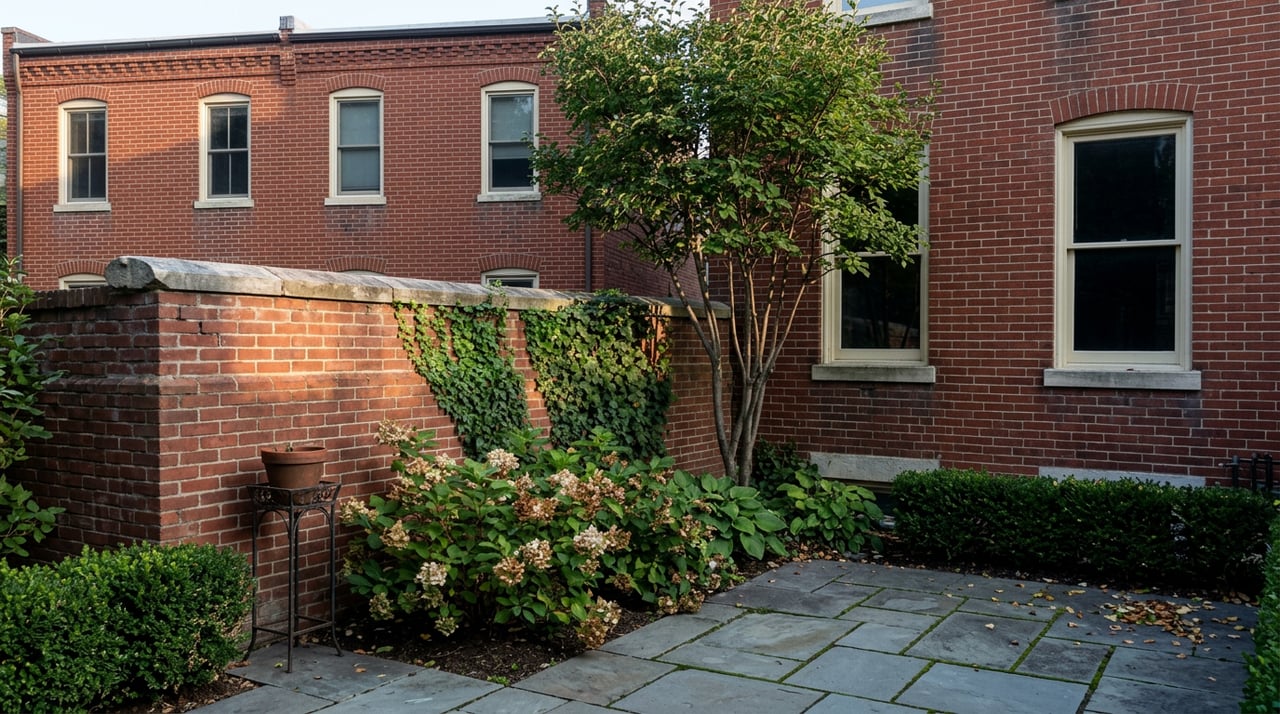
Van Vorst Park was laid out in 1835, a two acre green space bounded by Barrow Street, Montgomery Street, Jersey Avenue, and York Street, named for the Van Vorst family that settled the area in the 1600s. The rowhouses and brownstones that ring it are nineteenth century, and the street names around them read like a local history syllabus, Colden Street among them, honoring Cadwallader D. Colden.
None of that history runs itself. The organization that actually keeps the park functioning as a park, not just a historic footprint, is Friends of Van Vorst Park, a nonprofit that has spent more than three decades planting, fundraising, and organizing the calendar of events that makes the space feel lived in rather than preserved. Over its history the group has raised or received grants in excess of $300,000 for the gardens and public spaces inside the park, money that shows up as flower beds, playground upkeep, and a farmers market that keeps running whether or not the block around it is trending.
The market itself sets up near the gazebo on Saturdays, spring through fall, and as of this past August was running from 8 a.m. to 2 p.m. It is easy to walk past it as one more neighborhood amenity. It is less easy to walk past it once you know that Friends of Van Vorst Park also runs the egg hunt in spring, a summer slate of craft fairs and films in the park, a Halloween event in October, and a holiday party at year's end. That is a full annual calendar built and staffed by neighbors, not a seasonal add-on to whatever business happens to be open that quarter.
What the Association Actually Fixes
The clearest evidence that the park's infrastructure outlasts any single tenant on the block is what happened to its dog runs. Van Vorst Park and Hamilton Park both have fenced runs for large and small breeds, and for years both suffered from the same problem: poor drainage turned them into standing puddles after rain, puddles that sat for days and carried dog waste with them. In fall 2022, the city finally moved to renovate both runs with new turf designed to drain properly, a fix that Jersey City Times reported came after years of resident complaints. The person quoted explaining the fix was Marc Wesson, described in that reporting as the founder of Friends of Van Vorst Park and the park's caretaker for 21 years running.
Twenty-one years of caretaking is longer than most leases in this neighborhood. That is the kind of tenure that explains why a dog run gets fixed at all. Nobody opens a wine bar and lobbies the city for three years about drainage engineering. Somebody who has been showing up to the same park for two decades does.
The market predates the espresso machines. The dog run predates most of the dogs using it now. That is not nostalgia. It is the actual load-bearing structure of the neighborhood.
Old Anchors, New Arrivals
The businesses around the park do change, and some of that change is worth knowing about on its own terms. What's useful is seeing the new arrivals next to what has held steady, rather than treating every opening as equally new information.
| Around the park | What it is |
|---|---|
| Razza, Montgomery Street | Wood-fired pizzeria from chef and owner Dan Richer, a six-time James Beard Award nominee, named Best Pizza in North America by 50 Top Pizza in 2019 and the only pizzeria to receive a three-star review from The New York Times |
| Edward's Steakhouse | Housed in a renovated 1800s brownstone in Historic Downtown Jersey City, serving New York style steaks, chops, and seafood |
| Wonder Bagels | Bagels baked daily, a neighborhood breakfast stop |
| Short Grain | Coffee and small plates with a health-conscious, vegan-friendly menu |
| The Collective Brew, 198 Van Vorst St | Nepali café that opened in late March 2026 on the corner of Van Vorst and Morris, built around organic teas and a wellness-forward concept that includes designated alcohol-free hours |
The Collective Brew is the one genuinely new name on that list, and it is worth being specific about why it fits rather than disrupts. It opened on a corner that already had foot traffic from the park, the market, and the dog runs. It did not have to build an audience from nothing. It walked into one that Friends of Van Vorst Park had already been maintaining for years.
The Tour That Makes the History Legible
If you want the longer version of what the park's row of brownstones actually represents, the Jersey City Landmarks Conservancy runs a dedicated Van Vorst Park Walking Tour led by architectural historian John Gomez. This year's session ran on June 20, a two hour exploration of the historic district's architecture and history, held in celebration of Pride Month 2026, with half the ticket proceeds going to the Venus Pellagatti Extravaganza House. It is not a real estate tour. It is a history lesson delivered by someone who has spent his career documenting how Jersey City's residential blocks came to look the way they do, and it treats the neighborhood as worth understanding on its own terms rather than as inventory.
That is, in a small way, the same argument this whole piece is making. The park's rhythm, the market that outlasts the storefronts around it, the dog run that took a two-decade advocate to fix properly, the walking tour that exists because a nonprofit thought the history was worth explaining out loud, none of that shows up in a scroll through new openings. It shows up if you live here long enough to notice what stays.
What This Means If You Already Live Here
None of this requires you to do anything. That is the point. The market will run its Saturday hours through the fall regardless of who owns the café on the corner. The dog runs will keep draining properly because someone spent years making sure the city fixed them right. Friends of Van Vorst Park will run its Halloween event in October and its holiday party in December the same way it has for years, because that is what the organization does, independent of whatever else opens or closes around it.
If you are the kind of neighbor who wants to understand why this particular two acres of Jersey City feels different from the blocks a few streets over, the answer is not the newest business. It is the volunteer infrastructure that has kept the park functioning as a park since long before any current storefront existed, and that will likely keep functioning long after the next one changes hands.
Leda Duif and her team at Dwellings with Leda & Co spend as much time walking these blocks as writing about them, and if you ever want to talk through what a specific address near the park is actually worth, or just compare notes on the neighborhood, Let's Connect.