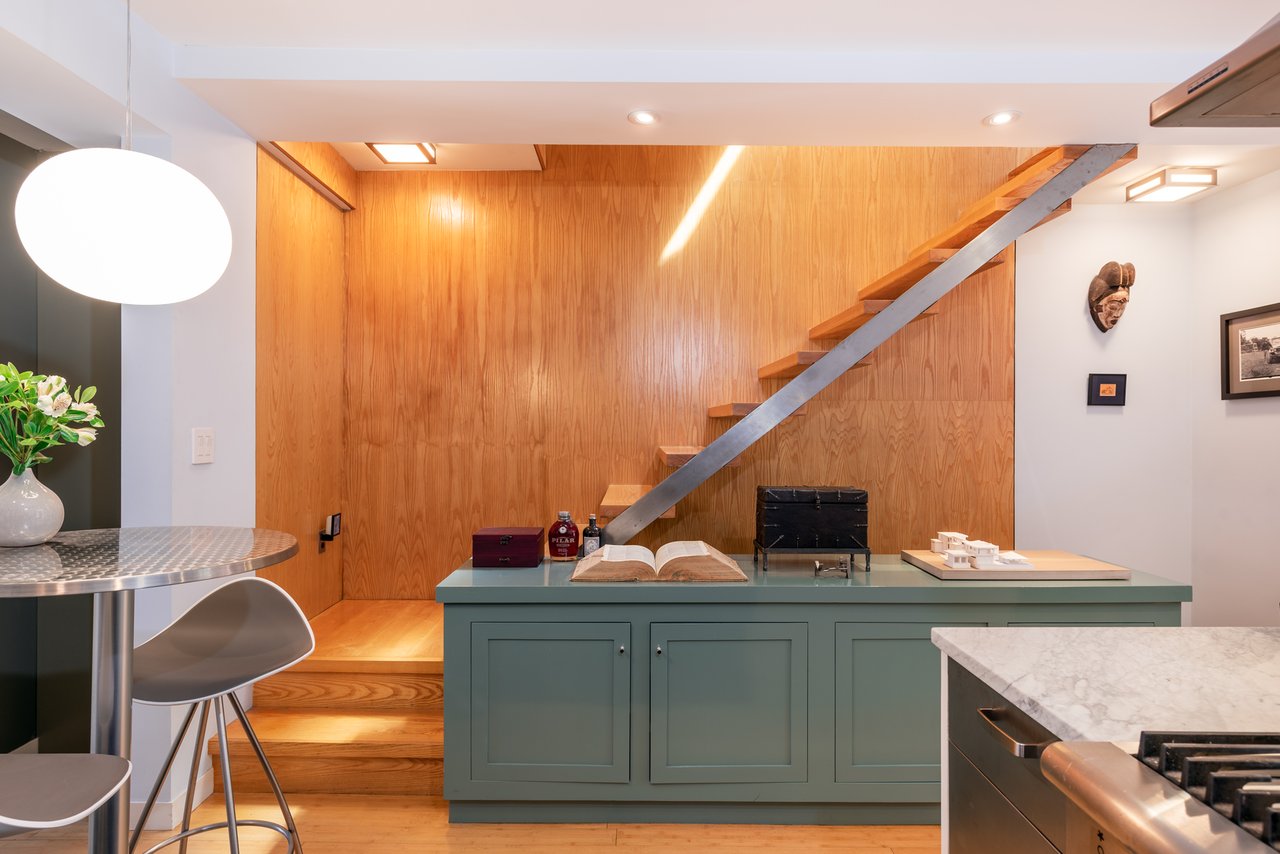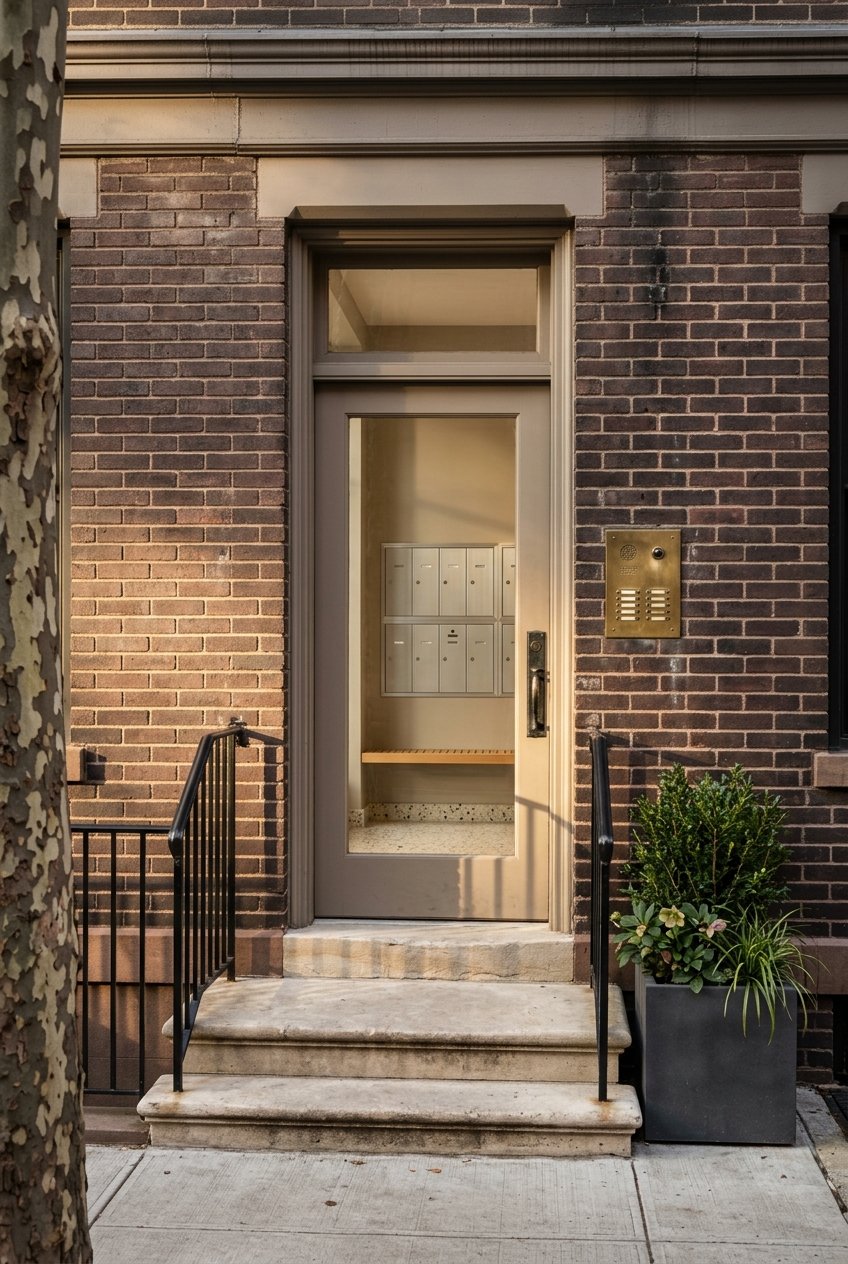
Are you buying the condo, or are you really buying into the building behind it? In Hoboken, that question matters more than many buyers expect. A beautiful kitchen and smart layout can be easy to spot, but the building’s finances, shared systems, and flood exposure often have the biggest impact on your monthly costs and long-term peace of mind. If you’re weighing a Hoboken condo purchase, here’s how to look past the listing photos and make a more informed decision. Let’s dive in.
Why the Building Matters in Hoboken
When you buy a condo in Hoboken, you are not just buying the unit itself. You are also sharing responsibility for common elements like the roof, basement, halls, lobby, stairways, elevators, parking areas, driveways, and central utilities.
That matters because the condition of those shared systems can affect your monthly condo fees and the odds of a future special assessment. In a market with both older masonry buildings and newer waterfront towers, building condition can vary quite a bit from one property to the next.
Compare Building Type First
Before you compare finishes, closet space, or views, start with the building type. In Hoboken, that can tell you a lot about likely maintenance needs, budget pressure, and what questions you should ask next.
Waterfront Towers
Waterfront towers often come with more shared systems and amenities to maintain. That usually means the association’s budget, reserve levels, and board decisions carry extra weight.
In Hoboken, waterfront buildings also need a closer look at flood exposure. The city continues to invest in flood warning systems, shoreline work, and waterfront reconstruction, so you should ask how a building handles flooding, garage drainage, and any basement or mechanical-room exposure.
For any specific address, check the FEMA flood map and ask whether the property sits in a Special Flood Hazard Area. If it does, flood insurance will likely be part of your budget.
Boutique Walk-Ups
Smaller walk-up buildings can be appealing because they often have fewer amenities and a simpler feel. At the same time, their budgets can be more sensitive to major repairs because there are fewer owners to share the cost.
In these buildings, items like the roof, facade, windows, stairs, and plumbing stacks deserve close attention. If the property is in Hoboken’s historic district, exterior work such as repairs, painting, or window replacement may require a zoning permit, which can affect timing and planning for future projects.
Converted Loft Buildings
Loft conversions can offer character, larger layouts, and a distinct building style that many buyers love. But older conversions deserve careful review at the building level.
You will want to understand the history of structural updates, elevator capacity, sound control, and major mechanical systems. It is also smart to ask whether the association has a current reserve study that addresses the building’s biggest systems and likely future costs.
Read the Condo Documents Carefully
One of the biggest mistakes buyers make is focusing on the unit and barely glancing at the association documents. In New Jersey, condominium bylaws govern how the property is administered and managed, and they can include rules for the use, operation, maintenance, and enjoyment of both units and common elements.
That means details like pet policy, rental rules, and amenity use are usually set by the building itself. Two condos that seem similar on paper can operate very differently once you read the documents.
Documents to Request
Before you move forward, ask to review:
- Master deed
- Bylaws
- House rules
- Current budget
- Reserve study
- Insurance information
- Recent meeting minutes
- Any notice about reduced reserve funding or expected special assessments
These documents can reveal whether the building is well run, whether owners are planning major work, and whether today’s monthly fee reflects the building’s actual needs.
Why Reserve Studies Matter
New Jersey now requires associations of planned real estate developments to obtain capital reserve studies and a 30-year funding plan, with review at least every five years. For existing associations, the law allows a temporary 85 percent funding option only if owners are notified that a special assessment or loan is expected, and that notice must be provided to the buyer before contract.
The takeaway is simple: a low monthly fee is not always a good sign. If reserves are weak, outdated, or clearly underfunded, you may be looking at higher costs later.
Budget for More Than the Mortgage
A Hoboken condo budget should include more than your loan payment. Condo fees are typically paid directly to the association and are separate from your mortgage.
You should also account for unit insurance, and in flood-prone locations, separate flood insurance may be necessary. Standard homeowners insurance does not cover flood damage, so this piece is especially important in a city like Hoboken.
Put These Costs Together
When comparing condos, budget for:
- Mortgage payment
- Monthly condo fee
- Unit insurance
- Flood insurance, if required
- Parking or storage fees, if applicable
- Potential future assessment risk based on reserves and planned work
Looking at all of these costs together gives you a more realistic picture of affordability. It also helps prevent a situation where a lower list price is offset by higher monthly ownership costs.
Flood Risk Should Be Part of Your Due Diligence
Hoboken describes itself as particularly vulnerable to climate-change-driven flooding, and the city continues to invest in flood warning, shoreline, and waterfront infrastructure work. For buyers, that means flood risk is not a side issue. It is a core part of evaluating many condo buildings.
This is especially true if the building has parking below grade, basement storage, or mechanical systems located in lower levels. The way a building has handled waterproofing, drainage, and flood mitigation can affect both daily risk and future expenses.
Questions to Ask About Flood Exposure
Ask the building or seller:
- Has the building experienced flooding in the past?
- Where are the utility and mechanical rooms located?
- Is parking below grade, and how is drainage handled?
- Has the association completed waterproofing or drainage upgrades?
- Is the property in a FEMA Special Flood Hazard Area?
A stylish lobby can make a strong first impression, but these practical details may matter more over time.
Financing and Resale Depend on the Building Too
Even if you love the unit and can afford the payment, your lender may still care about the condo project as a whole. For conventional financing, lenders may review project budgets, financial statements, reserve studies, insurance, and other project characteristics.
Pending litigation, inadequate insurance, or weak reserves can create financing concerns. In practical terms, a building with cleaner records and steadier reserves is often easier to finance now and easier to resell later.
Ask Early, Not Late
If you plan to use conventional financing, make sure your lender reviews the condo project before you waive contingencies. This can help you avoid unpleasant surprises after you are already emotionally invested.
It also gives you a better sense of how future buyers may view the building. A condo is not just about what works for you today. It is also about whether the building will remain sound, insurable, and financeable years from now.
A Smart Hoboken Condo Checklist
If you want to keep your search focused, use this checklist when evaluating any Hoboken condo building:
- Review the current budget and reserve study
- Read recent meeting minutes
- Confirm insurance coverage and ask about flood insurance needs
- Ask about any notice of reduced reserve funding or expected special assessments
- Check for recent or pending work on the roof, facade, elevator, parking, waterproofing, or bulkhead
- Confirm pet policy and rental rules
- Verify whether the building is in the historic district
- Check whether the address is in a flood-prone area using the FEMA map
- Ask your lender whether the condo project raises any financing concerns
The Bottom Line for Hoboken Buyers
In Hoboken, the strongest condo purchases usually make sense at both the unit level and the building level. You want the floor plan and finishes to work for your lifestyle, but you also want the building’s maintenance history, reserve funding, and flood exposure to hold up under closer review.
That kind of due diligence can protect your budget, reduce surprises, and support future resale. If you want a steady local guide as you compare Hoboken condos, Leda Duif can help you look beyond the unit and evaluate the full picture with clarity and confidence.
FAQs
What building documents should you review before buying a Hoboken condo?
- You should review the master deed, bylaws, house rules, current budget, reserve study, insurance information, recent meeting minutes, and any notice about reduced reserve funding or expected special assessments.
Why do condo reserves matter when buying in Hoboken?
- Reserve levels matter because weak or outdated funding can increase the chance of future loans or special assessments, even if the monthly condo fee looks low today.
How does flood risk affect a Hoboken condo purchase?
- Flood risk can affect insurance needs, monthly ownership costs, building maintenance planning, and the condition of lower-level spaces like parking, storage, and mechanical rooms.
Are condo fees included in your mortgage payment for a Hoboken condo?
- Condo fees are usually paid directly to the association and are generally separate from your monthly mortgage payment.
Why does the condo building matter for financing in Hoboken?
- Lenders may review the entire condo project, including budgets, reserves, insurance, and other building-level issues, so a weaker building can create financing and resale challenges even if the unit itself looks great.